Chest Exercises for Strength Training & Muscle Building
Browse 101 chest exercises with video demonstrations, the muscles each movement works and step-by-step instructions for every level.
No exercises match your search.
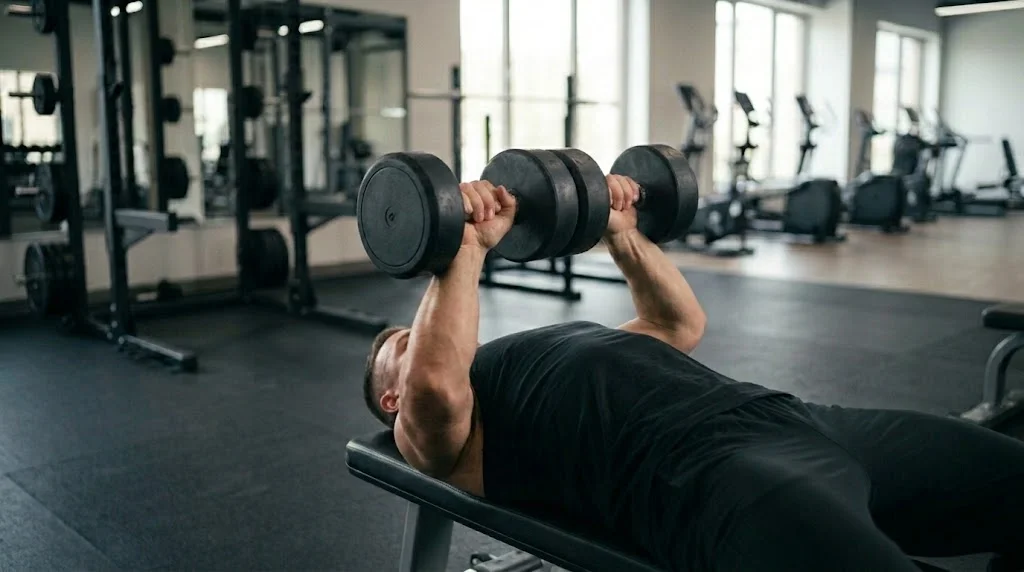
Close Grip Dumbbell Bench Press: Chest & Triceps
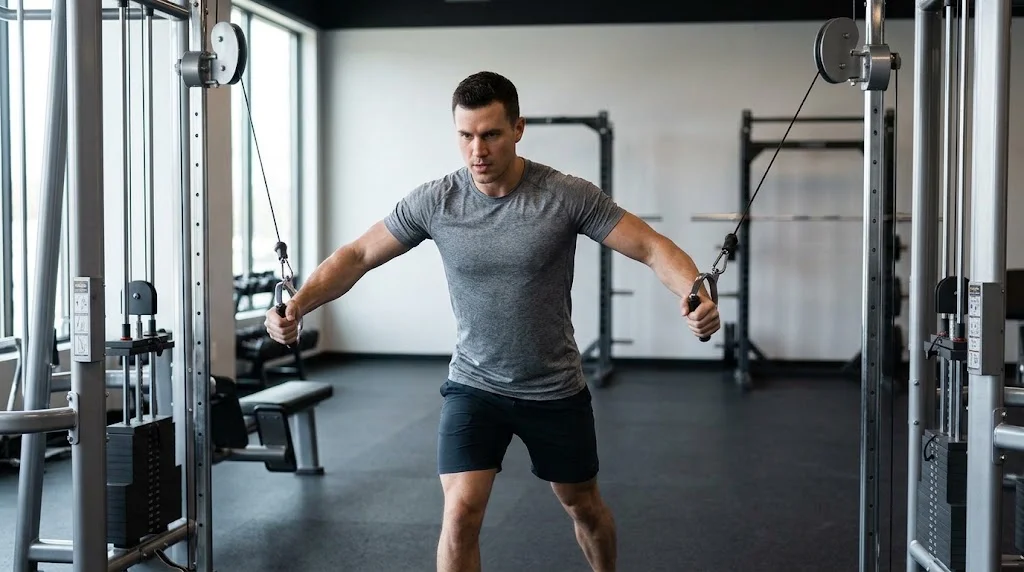
High Cable Chest Fly
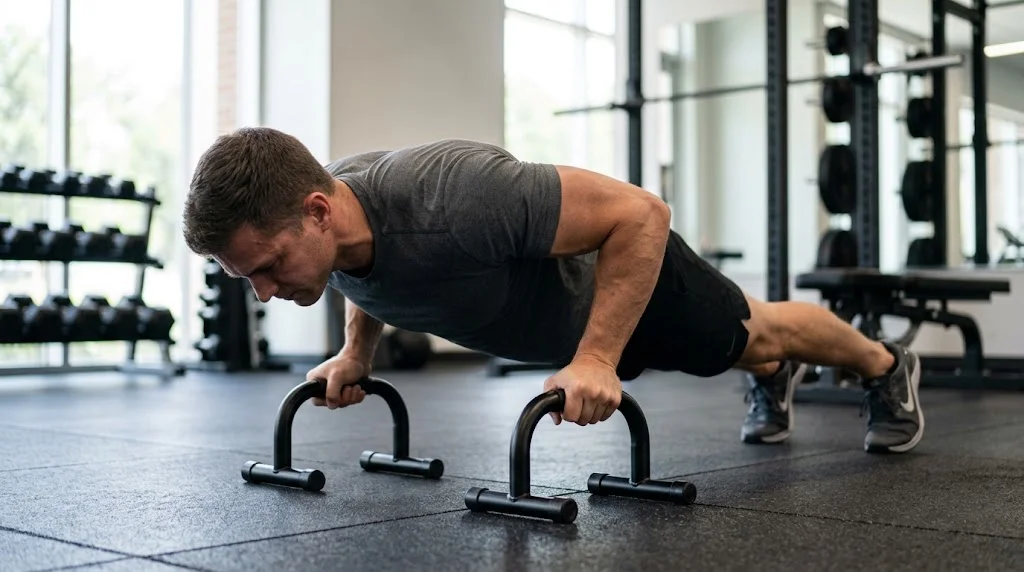
Push-Up Bars
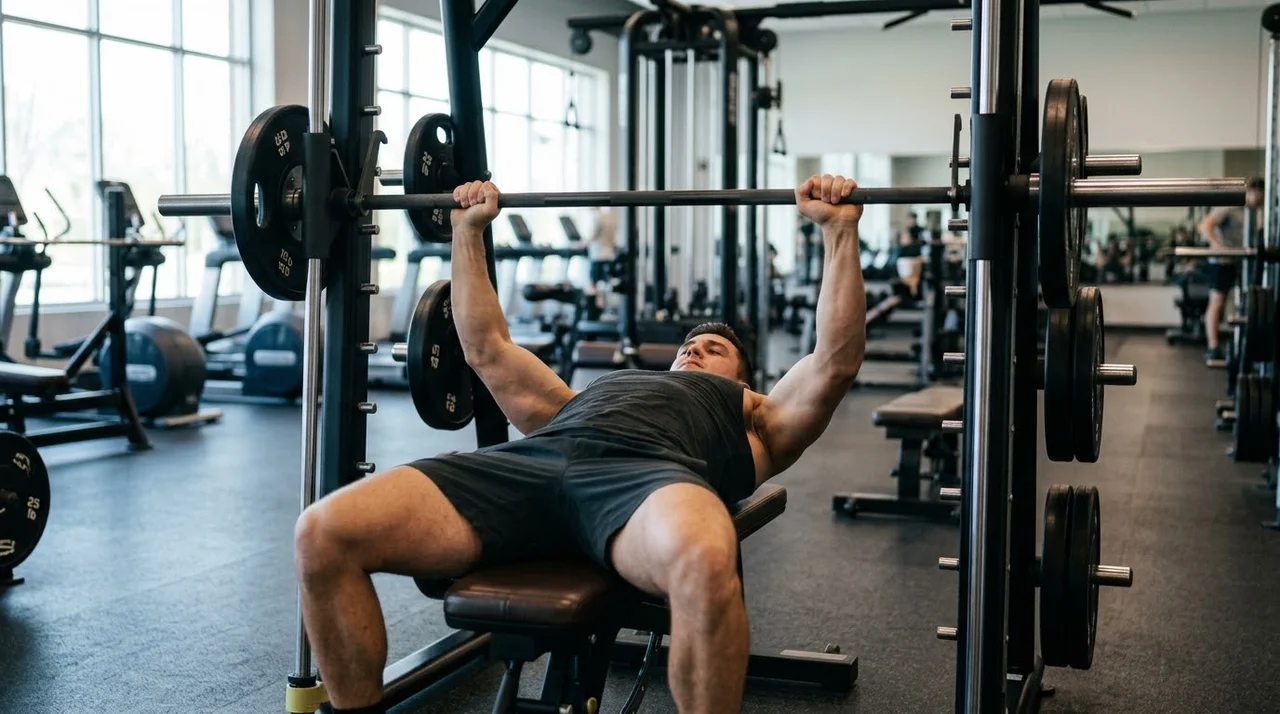
Smith Machine Bench Press: Fixed-Path Chest Press
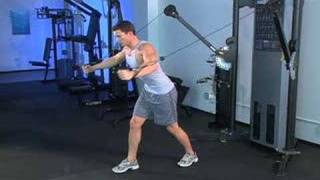
Standing Cable Chest Fly
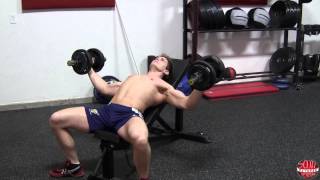
Incline Dumbbell Fly
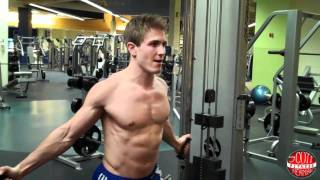
Low Cable Chest Fly Workout
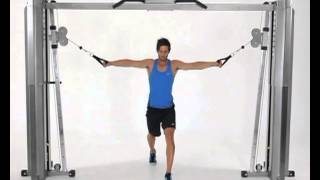
Lunges with Cable Decline Chest Fly
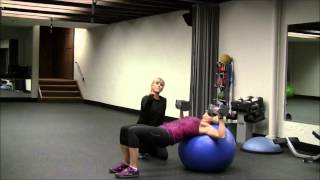
Stability Ball Dumbbell Chest Press
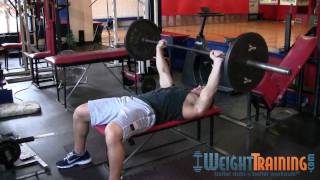
Isometric Bench Press
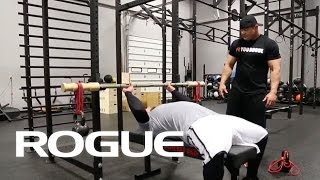
Earthquake Bar Bench Press
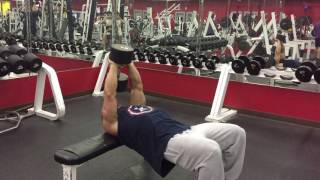
PJR Pullover Workout
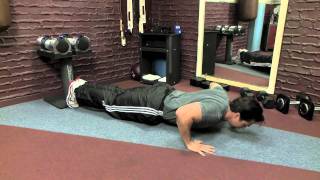
Power Push-Up
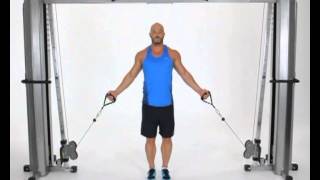
Standing Incline Cable Chest Fly
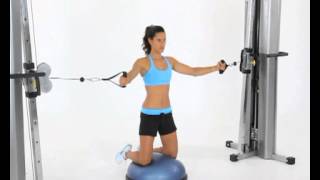
Kneeling Cable Chest Fly on Bosu
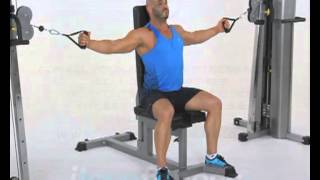
Seated Cable Chest Fly
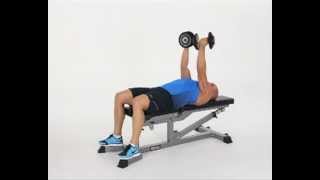
Dumbbell Bench Press Underhand Grip
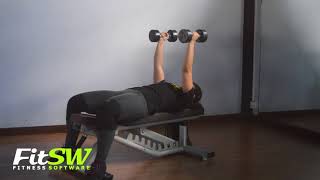
Dumbbell Bench Press with Neutral Grip

Wide Hammer Chest Press
Incline Chest Press with Resistance Bands
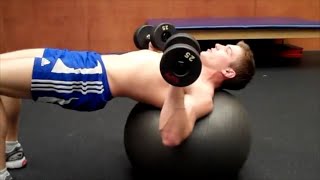
Swiss Ball Dumbbell Chest Press
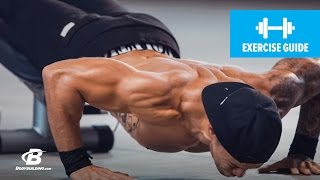
Decline Explosive Push-Up
Hammer Decline Press
Push-Up With Leg Raise
Chest Muscles Overview
The chest is composed of two major muscle groups that work together to create pressing strength and build the characteristic pec development seen in well-trained lifters. The primary muscles targeted in chest training are:
- Pectoralis major- the large, fan-shaped muscle that makes up the bulk of the chest. It's divided into upper, middle, and lower regions, with exercise angle determining which portion receives the most stimulus.
- Pectoralis minor- a smaller, deeper muscle lying beneath the pectoralis major that assists with scapular movement and stabilization.
- Serratus anterior- runs along the side of the ribcage and assists in scapular protraction, giving the chest a more complete, rounded appearance when well-developed.
Why Chest Training Matters
A strong chest is essential for upper body pressing power and aesthetics. Chest exercises improve your performance in movements like bench press, push-ups, and overhead pressing, which transfer to real-world pushing tasks like opening doors or moving objects away from your body. Well-developed chest muscles also balance upper body development, especially when paired with adequate back training to prevent shoulder imbalances and injuries.
Chest training also strengthens the anterior shoulder and stabilizer muscles, reducing injury risk during pressing movements. Unlike isolation exercises, compound chest movements engage the triceps and anterior shoulders, making them efficient for building overall upper body strength.
Exercise Categories
Chest exercises fall into three main movement patterns:
Pressing movements push a load away from your body along a horizontal or angled plane. Barbell bench press, dumbbell bench press, push-ups, and machine chest press all train the pectoralis major as the primary mover, with varying contributions from the shoulders and triceps depending on grip width and pressing angle.
Fly movements bring the resistance in an arcing motion across your chest, isolating the pectoralis major with less tricep involvement. Cable flies, dumbbell flies, and machine chest flies are particularly useful for achieving a deep stretch and strong contraction.
Bodyweight variations like wide-grip push-ups and archer push-ups allow progressive overload using only your body weight, and are accessible for both beginners and advanced athletes when regression or progression strategies are applied.
Training Tips
Grip width and angle matter: Wider grip widths and lower pressing angles emphasize the lower chest, while narrower grips bring in more tricep activation. Experiment to find the angles that feel best for your body structure.
Mind-muscle connection: Focus on the chest doing the work rather than relying on your triceps. Pause briefly at the bottom of each rep to establish the stretch, then press explosively back to the starting position.
Training frequency: The chest recovers relatively quickly and responds well to being trained 2-3 times per week. You can include both heavy compound work and lighter fly variations across multiple sessions.
Progressive overload: Gradually increase weight or volume over time. Even small increases in weight or a few extra reps per week will drive long-term progress.
Logging those small increases beats remembering them, and the same goes for what your heart rate does between sets. If you want that captured automatically, it's worthdeciding between a smartwatch and a fitness bandbefore spending anything, because the two types suit very different training styles.
Key Chest Exercises to Try
Use the filter above to browse the full library. Some starting points worth exploring include barbell bench press, dumbbell bench press, incline dumbbell press, cable chest flies, push-ups, decline sit-ups with chest emphasis, and machine chest press.
To see how chest pressing fits into a complete training week, the upper-body days in our4-day workout plan for weight lossare built around the bench press and incline dumbbell press.