Glutes and Hamstrings Exercises - Lower Body Strength Training
Browse 200 glutes and hamstrings exercises with video demonstrations, the muscles each movement works and step-by-step instructions for every level.
No exercises match your search.
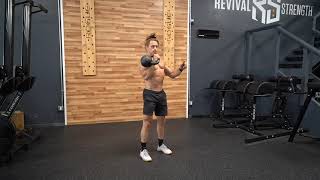
Single Arm Kettlebell Hang clean and press
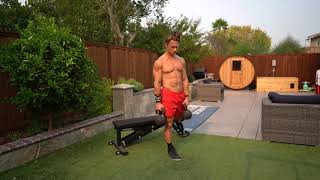
Rear Foot Elevated Kettlebell Single Leg RDL
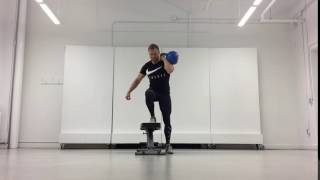
Single Kettlebell Side Step Up
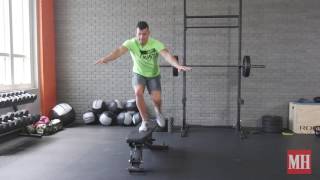
Crossover Step-Up
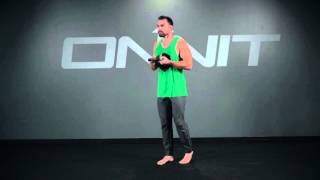
Kettlebell Staggered Stance Hip Hinge
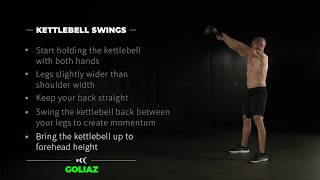
Goliaz Kettlebell Swing
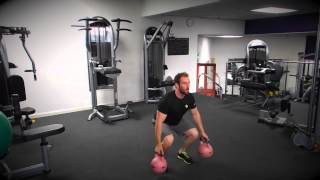
Kettlebell Squat Jump
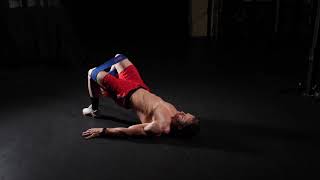
Banded Glute Bridge March
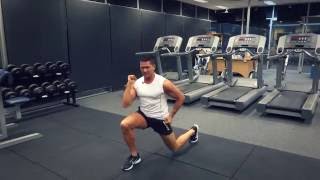
Scissor Jump
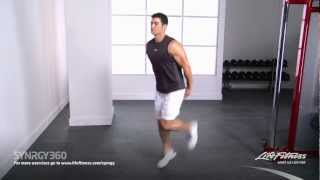
Heel Flick
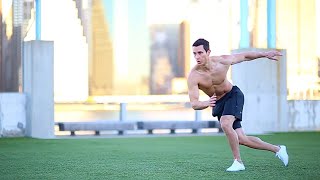
Speed Skater
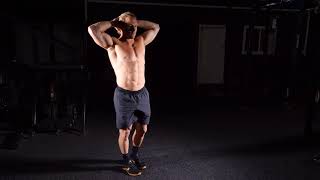
Cobra Single Leg Good Morning
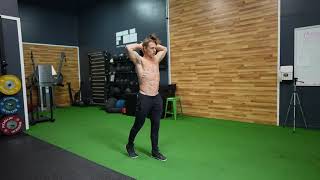
Split Stance Prisoner Good Morning
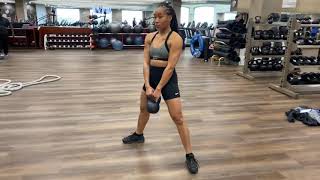
Single Kettlebell Sumo RDL
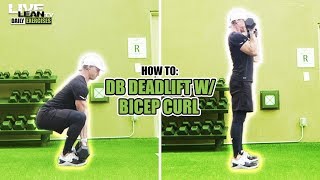
Dumbbell Deadlift with Bicep Curl
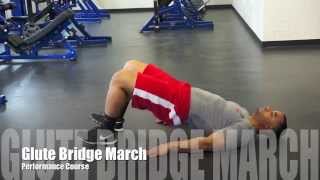
Glute Bridge March
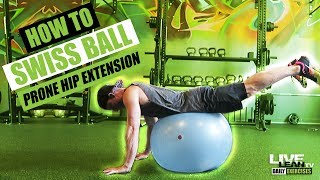
Swiss Ball Prone Hip Extension
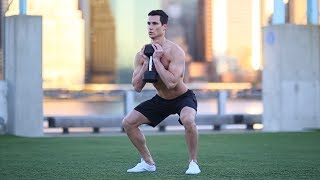
Goblet Squat: Beginner-Friendly Leg Builder
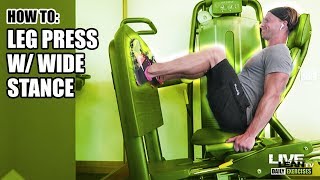
Leg Press with Wide Stance
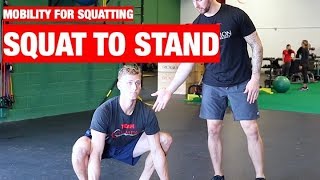
Squat to Stand
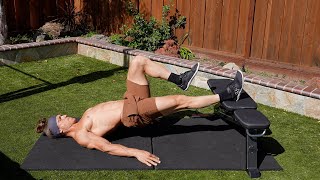
Straight Leg Hip Bridge March
Split Jump
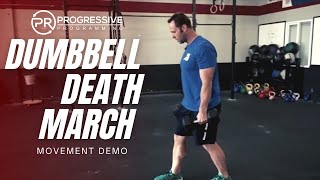
Dumbbell Death March
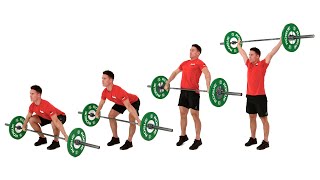
Muscle Snatch
Posterior Chain Muscles Overview
The glutes and hamstrings together make up the posterior chain of the lower body, which is responsible for hip extension, knee flexion, and powerful athletic movements. Strong glutes and hamstrings are essential for athletic performance, lower back health, and aesthetic lower body development. The primary muscles targeted are:
- Gluteus maximus- the largest muscle in the human body, responsible for hip extension and powerful movement patterns like squats and deadlifts. Well-developed glutes create the aesthetic "bubble butt" appearance.
- Hamstrings- a group of three muscles (biceps femoris, semitendinosus, semimembranosus) running along the back of the thigh, responsible for knee flexion and hip extension. Strong hamstrings are essential for sprinting, jumping, and injury prevention.
- Gluteus medius and minimus- stabilizer muscles that abduct the hip and control pelvic stability during single-leg movements.
Why Glute and Hamstring Training Matters
Strong glutes and hamstrings are foundational for athletic performance. These muscles generate explosive power for sprinting, jumping, and changing direction. Training the posterior chain balances lower body development - many lifters overtrain the quadriceps and neglect the glutes and hamstrings, creating strength imbalances and injury risk.
Posterior chain strength also directly supports spinal health and reduces lower back pain risk. The glutes stabilize the pelvis and support the lower back during loaded movements. Many people with lower back pain have weak or inhibited glutes, making posterior chain training valuable for injury prevention.
Exercise Categories
Posterior chain exercises fall into several main movement patterns:
Hip hinge movements like deadlifts, Romanian deadlifts, and good mornings load the glutes and hamstrings through hip extension. These movements build tremendous posterior chain strength and power.
Knee flexion movements like leg curls, Nordic curls, and hamstring curl machines isolate the hamstrings. These movements build hamstring hypertrophy and prevent knee injuries.
Explosive jumping and plyometric movements develop glute and hamstring power. Box jumps, broad jumps, and bounding develop explosiveness essential for athletic performance.
Single-leg movements like single-leg deadlifts, split squats, and Bulgarian split squats train the glutes and hamstrings with increased stability demands. These movements also correct strength imbalances between legs.
Training Tips
Mind-muscle connection: Many lifters feel their quadriceps dominating hip hinge movements. Focus on initiating hip extension with your glutes rather than quadriceps dominance.
Full range of motion: Achieve a full range of motion in posterior chain exercises. In deadlifts, lower until the bar touches the floor. In leg curls, curl to maximum knee flexion.
Prioritize hip extension: Most lower body training involves knee extension (squats). Balance this with dedicated hip extension work (deadlifts, hip thrusts, good mornings).
Include single-leg training: Single-leg movements identify and correct strength imbalances. Include at least one single-leg movement per session.
High frequency works well: The posterior chain recovers quickly from training and responds well to higher frequency. Include posterior chain work 2-3 times per week.
Key Posterior Chain Exercises to Try
Use the filter above to browse the full library. Some starting points worth exploring include barbell deadlifts, Romanian deadlifts, leg curls, hip thrusts, good mornings, Nordic curls, single-leg deadlifts, Bulgarian split squats, and broad jumps.
For ready-made programming built around these movements, thelean physique workout routinestructures two weekly sessions around glute and posterior chain development, and the lower-body days in ourworkout plan for weight losscenter on the hip hinge pattern.
You are in GLUTES AND HAMSTRINGS