Ab Exercises - Crunch, Plank and Abdominal Strength Workouts
Browse ab exercises with video guides and step-by-step instructions. Target your rectus abdominis, obliques, and core with beginner to advanced movements.
No exercises match your search.
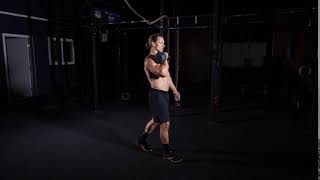
Single Arm Kettlebell Front Rack Carry
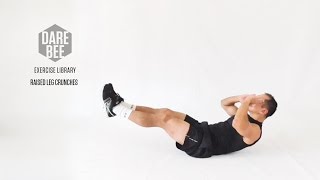
Bent-Knee Raised Leg Crunch
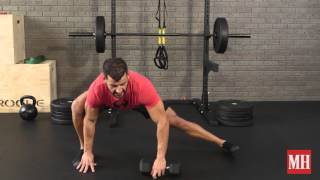
Low Lateral Squat Switch
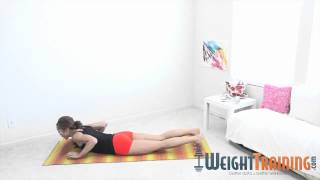
Hover Jack
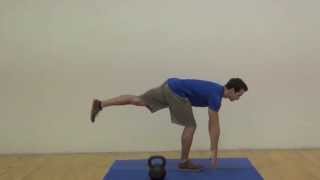
Single Leg Toe Touch
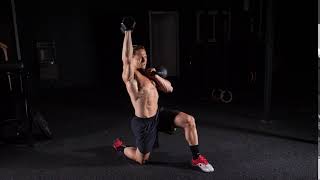
Half Kneeling Filly Press
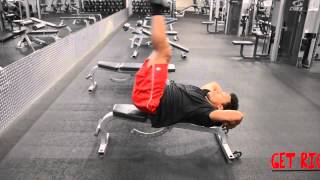
Flat Bench Lying Leg Raise
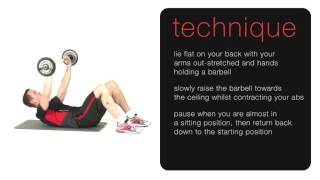
Barbell Crunch
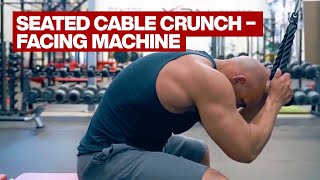
Seated Cable Crunch Facing Machine
Weighted Swiss Ball Crunch
Negative Standing Ab Wheel Rollout
Seagull
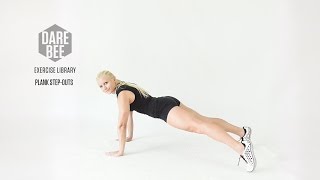
Plank Step-Out
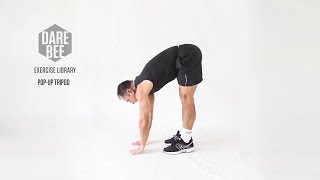
Pop-Up Tripod
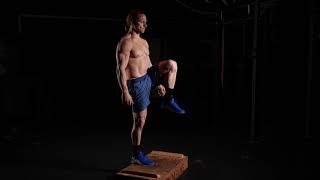
Bodyweight Drop Lunge to Knee Lift
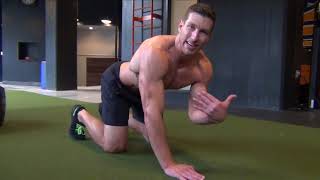
Tiger Crawl Exercise
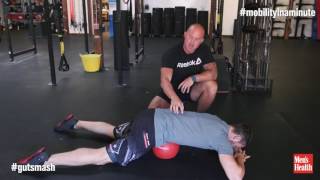
Gut Smash
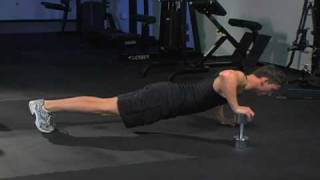
Lopsided Single-Dumbbell Push-ups
Banded Russian Kettlebell Swings
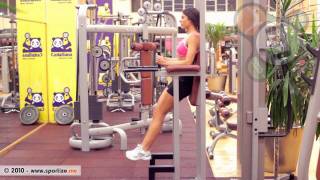
Knee Raise on Parallel Bars
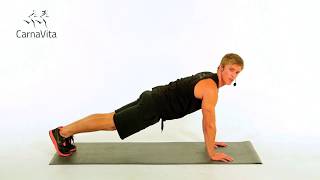
Plank Knee Twist
BodyWeight ManMaker Workout
Weighted Reverse Crunch
Alternate Side Lunge with Shoe Tap
Core Exercises for Building Ab Strength
Ab exercises target the rectus abdominis, transverse abdominis, and oblique muscles. A strong core does far more than look good at the beach. It improves posture, protects your lower back under load, and transfers real power to every squat, deadlift, and sprint you do. Ever wonder why your big lifts stall even when your legs feel strong? A soft midsection is often the leak.
The muscles here fall into a few jobs. The rectus abdominis, the visible "six-pack," flexes your spine on crunches and raises. The obliques handle rotation and side bending. And the deep transverse abdominis acts like a built-in weight belt, bracing your trunk so nothing collapses. Good ab training hits all three, not just the show muscle up front.
How to Choose Ab Exercises
Beginners should start with bodyweight movements like the Penguin Crunch and Alternating V-Up. These teach you to brace and control your pelvis before you add any load. Intermediate and advanced lifters can progress to cable and landmine rotational exercises for greater resistance and stronger oblique activation.
My honest advice? Don't chase burn with a hundred crunches. Pick two or three movements, one for spinal flexion, one for anti-extension like a plank or rollout, and one rotational, and train them with the same care you give a heavy set. Two or three focused sessions a week beats daily half-hearted crunches. Browse the guides below, each with a video and step-by-step cues, and build a routine that trains your core as a system rather than a single muscle.