Cable Exercises
Browse 37 cable exercises with video demonstrations, setup notes and step-by-step instructions from beginner to expert.
No exercises match your search.

Single Arm Reverse Grip Cable Bicep Curl
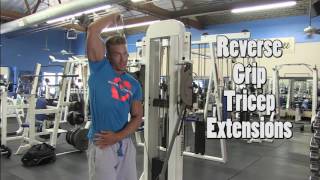
Reverse Grip Tricep Extension

Decline Cable Skull Crusher

Cable Crunch with Twist
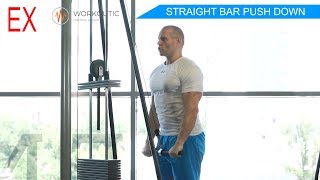
Straight Bar Pushdown
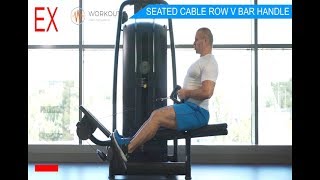
Seated Cable Row with V-Bar Handle

Low Cable Pull Through
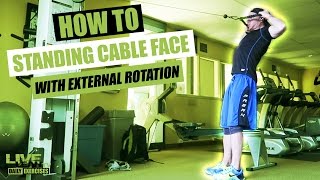
Standing Cable Face Pull with External Rotation

Cable Lateral Raise: Constant-Tension Side Delts
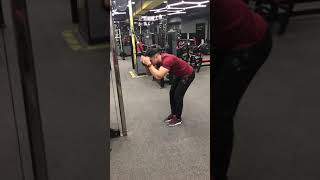
Robe crunch

Cable Single Arm Biceps Hammer Curl

Cable Superman Curl
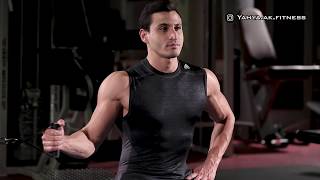
Cable Internal Rotation
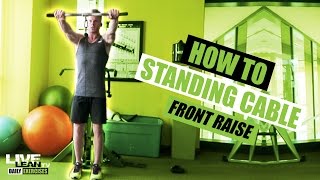
Standing Cable Front Raise
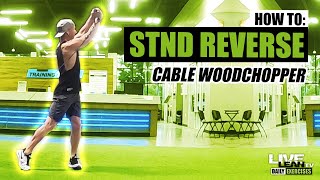
Standing Cable Reverse Woodchopper
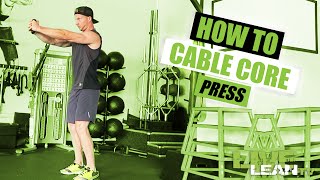
Cable Core Press
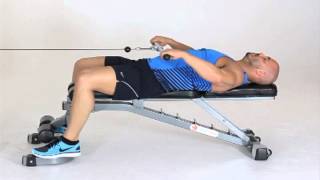
Lying Cable Upright Row Wide Overhand Grip
Swiss Ball cable Crunch
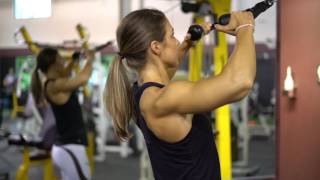
Cable High Face Pull

High pulley triceps extension with rope

Seated Cable Curl
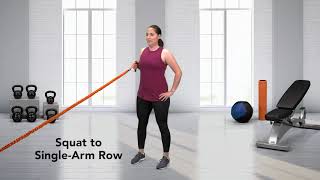
Squat to Single-Arm Row
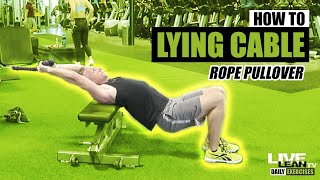
Lying Cable Rope Pullover
Rope Pullover Workout
Why Train with Cable Machines?
Cable machines provide constant tension throughout the entire range of motion, unlike free weights which have a "dead zone" at the beginning and end of certain movements. This constant tension produces significant muscle stimulus and makes cable exercises extremely effective for muscle building. Cables also allow for precise control of the resistance curve, making them safer for learning new movements.
Cables are extremely versatile - by adjusting the pulley position and grip attachment, you can emphasize different muscles and create unlimited exercise variations. Cables also allow for unilateral training, where one side of the body works independently, helping to correct imbalances and improve core stability.
Main Cable Movement Patterns
Pressing and fly movements emphasize the chest, shoulders, and triceps. Cable chest flies maintain constant tension across the pectorals unlike dumbbell flies, and cable presses allow for pressing angles that barbells don't permit.
Rowing and pulling movements train the back muscles with constant tension. Cable rows provide excellent range of motion and the ability to pause at maximum contraction, intensifying the stimulus.
Rotational and anti-rotation movements develop the obliques and core stability. Exercises like cable wood chops and Pallof presses are difficult or impossible to perform with barbells or dumbbells.
Curl and extension movements for arms and legs provide constant tension isolation work. Cable curls maintain tension throughout the range unlike barbell curls, and cable leg extensions provide smooth, constant tension that plate-loaded machines cannot match.
Training Tips with Cable Machines
Maximize the mind-muscle connection: Because cables maintain constant tension, focus on feeling the muscle work throughout the entire movement. Avoid using momentum or jerking motions.
Pause at peak contraction: With cables, you can pause briefly at maximum contraction to intensify the stimulus. A 1-2 second pause at peak contraction dramatically increases effectiveness.
Vary angles and attachments: Different pulley positions and attachments change which muscles are emphasized. Experiment with different angles to maximize variety and completeness.
Train with moderate to high rep ranges: Cables excel with moderate to high rep ranges (8-15+ reps). Constant tension makes cables less suitable for extremely heavy, low-rep work.
Getting Started with Cable Machines
Start with basic pressing, rowing, and fly movements using weight that allows 10-12 reps with good form. Master control before progressing to heavier weights. Include cable exercises 2-3 times per week, particularly as accessory work following heavy compound lifts.