Beginner Exercises - Start Your Fitness Journey Today
Browse 216 beginner-level exercises with video demonstrations, step-by-step instructions and the equipment each movement needs.
No exercises match your search.
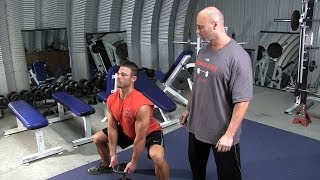
Plie Dumbbell Squat
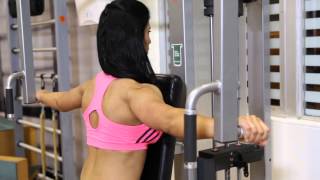
Machine Reverse Fly
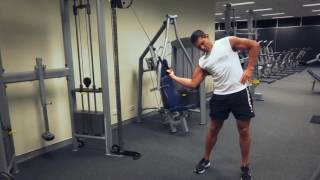
Standing Oblique Cable Crunch
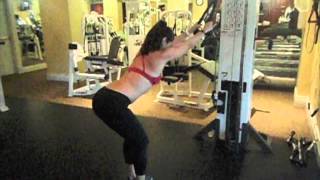
Standing Rope Lat Pulldown
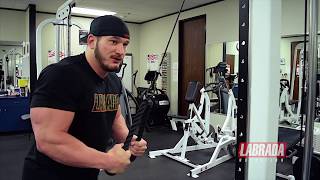
Tricep Rope Press Down
Cuban Rotation
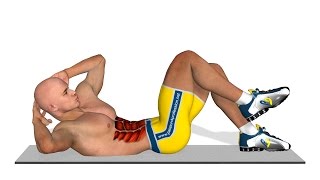
Alternating Crunch
Sit-Up
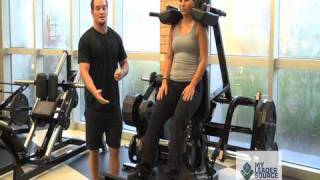
V-Squat Machine
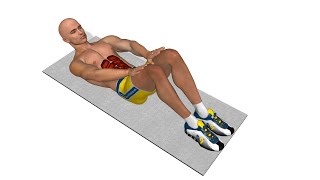
Crunch with hands resting
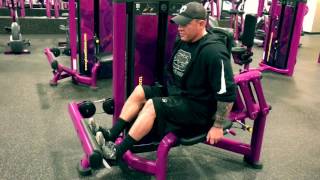
Calf Extension Machine
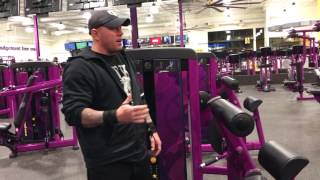
Back Extension Machine
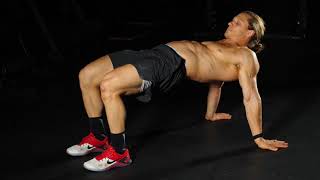
Reverse Plank Bridge
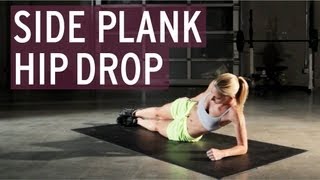
Side Plank Hip Drop

Forward Lunge Bicep Curl
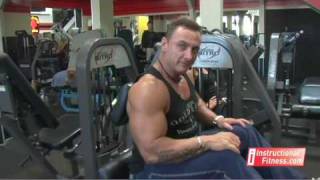
Seated Lower Back Extension
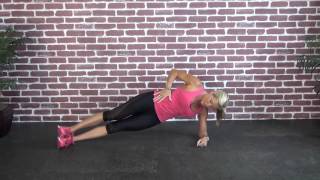
Side Plank Pulses
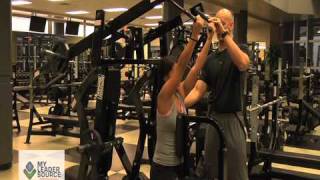
Isolateral Pull Down
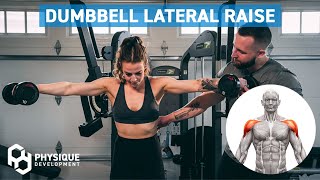
Dumbbell Lateral Raise: Side Delt Isolation
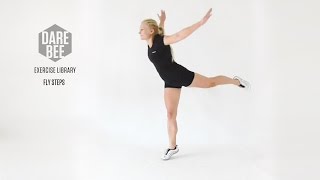
Fly Step
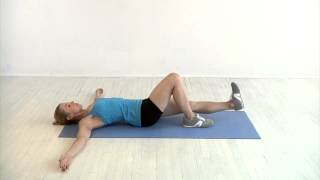
Single-Leg Hip Extension
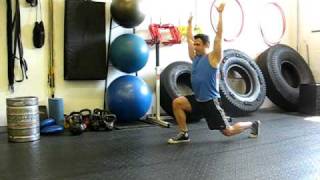
Walking Lunge with Warrior Stretch
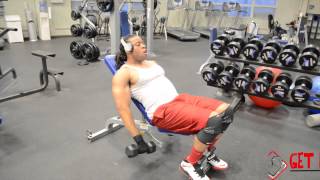
Front Incline Dumbbell Raise
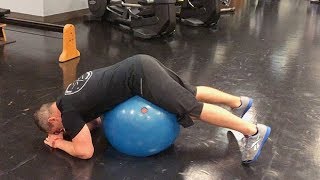
Stability Ball Reverse Hip Extension
Starting Your Fitness Journey
Beginner exercises are designed to teach you proper movement patterns with minimal risk of injury. As a beginner, your focus should be on mastering technique with lighter loads, building movement consistency, and developing a training habit rather than pursuing maximum strength or size gains.
Beginner exercises typically use lighter weights, simpler movement paths, and movements that don't require extensive stabilization. This allows your nervous system to learn the movement pattern while your joints adapt to training stress. Consistency with lighter weight and perfect form will build a strong foundation for all future training.
Core Beginner Training Principles
Master the movement first: Every exercise should be practiced with light weight or bodyweight until the movement feels natural and controlled. Never sacrifice form for load - lighter weight with perfect form beats heavy weight with poor form every time.
Start with compound movements: Focus on exercises that involve multiple joints and multiple muscle groups. Compound movements like squats, deadlifts, presses, and rows build overall strength more efficiently than isolation exercises.
Build a consistent habit: Training 3-4 times per week consistently for months builds better results than sporadic intense training. Consistency is the most important factor for beginners.
Recovery matters: As a beginner, you don't need complex programming - you need consistency and adequate recovery. Sleep 7-9 hours per night and eat adequate protein (0.7-1 gram per pound of bodyweight) for optimal progress.
Sample Beginner Training Structure
Full-body training 3 times per week is ideal for beginners:
- Day 1 & 3: Focus on pressing (bench press, shoulder press) and pulling (rows, pull-ups or inverted rows)
- Day 2: Focus on lower body (squats, deadlifts) and core work
Alternatively,upper/lower split 4 times per week works well:
- Upper days: Pressing and pulling exercises
- Lower days: Squats, deadlifts, and leg variations
Common Beginner Mistakes to Avoid
Using too much weight: Starting too heavy leads to poor form and injury risk. Start with weight you can move for 10-12 reps with perfect form.
Neglecting lower body: Many beginners focus on upper body. Include squats or deadlifts on every lower body training day for balanced development.
Inconsistent training: Missing sessions or frequently changing programs prevents progress. Train consistently on a schedule you can sustain.
Ignoring recovery: Rest and nutrition are just as important as training. Prioritize sleep and adequate food for optimal progress.
Getting Started as a Beginner
Select beginner variations of basic exercises and practice for 4-6 weeks using the same movements. Learn perfect form, build strength consistency, and develop a training habit before progressing to more advanced variations or heavier loads. Focus on gaining strength in basic movements rather than pursuing variety - strength in fundamental movements is the foundation for all advanced training.
You are in BEGINNER