Back Exercises for Strength & Muscle Development
Browse 156 back exercises with video demonstrations, the muscles each movement works and step-by-step instructions for every level.
No exercises match your search.
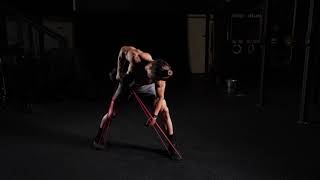
Banded Chainsaw Row
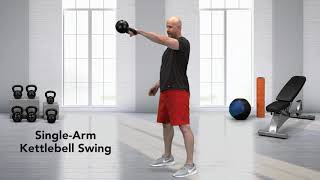
Single-Arm Kettlebell Swing

Split Stance Russian Kettlebell Swing

Single Arm Kettlebell Hang clean and press

Rear Foot Elevated Kettlebell Single Leg RDL

Cable High Face Pull
Standing Kettlebell Shrug
3-Point Kettlebell Row
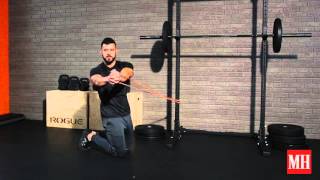
Kneeling T-Spine Rotation
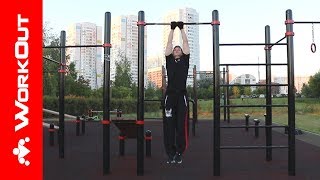
Narrow Grip Pull-Up
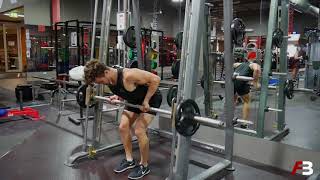
Underhand Smith Machine Bent Over Row
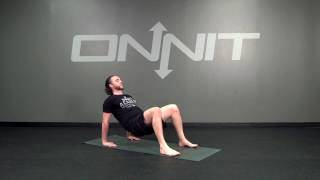
Table Swing Set Bodyweight

Seated Rope Face Pull

Kneeling High Pulley Row

Rope Straight Arm Pulldown
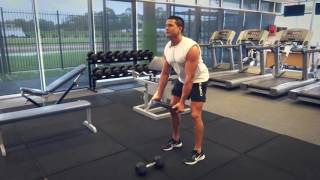
Plate Row

Supinated Grip Lat Pulldown
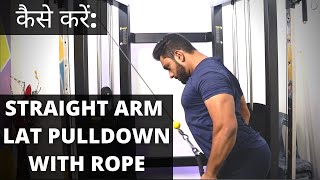
Straight Arm Lat Pulldown with Rope

Supinated Bent-Over Barbell Row
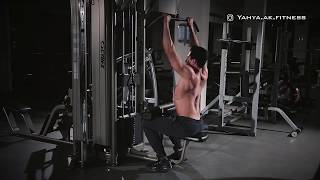
Close-Grip Front Lat Pulldown
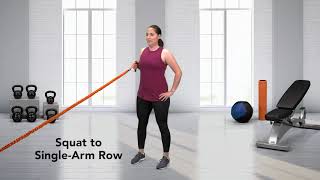
Squat to Single-Arm Row
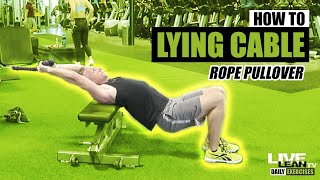
Lying Cable Rope Pullover
Cable Shrug
Rope Pullover Workout
Back Muscles Overview
The back is made up of several major muscle groups that work together to support posture, generate pulling strength, and protect the spine. The four primary muscles targeted in back training are:
- Latissimus dorsi- the broad, wing-shaped muscles that run along the sides of your torso. Pulling them down and inward creates the V-taper appearance.
- Rhomboids- located between the shoulder blades, responsible for retracting and stabilizing the scapula.
- Trapezius- a large, diamond-shaped muscle covering the upper and mid back, involved in shoulder elevation, retraction, and depression.
- Erector spinae- a column of muscles running along the spine that keeps you upright and powers hip extension movements like deadlifts.
Why Back Training Matters
A strong back is the foundation of functional fitness. Back exercises improve your posture by counteracting the forward-rounding effect of desk work and pressing movements. Strengthening the muscles around the spine reduces the risk of lower back pain, one of the most common injuries in both athletes and sedentary individuals.
Back muscles are also the primary movers in most pulling exercises, which means a well-developed back directly increases your performance in compound lifts like deadlifts, rows, and pull-ups. Training the back also balances the push-pull ratio in your program, which protects the shoulder joints from overuse injuries.
Exercise Categories
Back exercises fall into four main movement patterns:
Rows pull a load horizontally toward your body. Barbell rows, dumbbell rows, cable rows, and machine rows all train the mid-back, rhomboids, and biceps. Varying grip width and elbow angle shifts emphasis between the lats and upper back.
Pull-downs and pull-ups move the resistance vertically, from overhead down toward your hips. Wide-grip lat pulldowns and pull-ups target the lats directly. Neutral-grip and close-grip variations bring in more bicep assistance and allow a greater range of motion.
Deadlifts and hinges load the entire posterior chain - erector spinae, glutes, and hamstrings - through a hip hinge pattern. Conventional deadlifts, Romanian deadlifts, and rack pulls each emphasize a different portion of the range.
Hyperextensions and back extensions isolate the lower back and erectors. They are particularly useful for building spinal endurance and are often used as accessory work after heavier compound lifts.
Training Tips
Mind-muscle connection: Many lifters rely too heavily on their arms during back exercises. Focus on initiating each pull by depressing and retracting the shoulder blade before bending the elbow.
Control the eccentric: The lowering phase of a row or pulldown is where a significant portion of the muscle stimulus occurs. Resist the urge to let the weight drop; instead, take 2-3 seconds to return to the starting position.
Frequency: The back responds well to training 2-3 times per week. Because the muscles recover relatively quickly, you can include both heavy compound work and lighter isolation exercises across multiple sessions.
Grip matters: Use lifting straps on your heaviest sets to prevent grip fatigue from cutting your back workout short. Your lats can typically handle more load than your forearms can hold.
Key Back Exercises to Try
Use the filter above to browse the full library. Some starting points worth exploring include seated cable rows, lat pulldowns, barbell bent-over rows, single-arm dumbbell rows, pull-ups, Romanian deadlifts, and straight-arm lat pulldowns.
For a structured week that pairs these pulls with pressing work, the upper-body days in our4-day workout plan for weight lossprogram barbell rows and lat pulldowns alongside the bench press.