All Exercises - Browse by Muscle Group, Equipment and Level
Browse the full exercise library with video demonstrations, step-by-step instructions, the muscles worked and the equipment you need.
No exercises match your search.
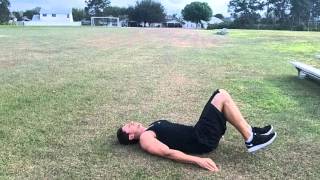
Frog Crunch
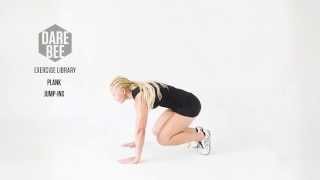
Plank Jump-In
Wide Hammer Chest Press
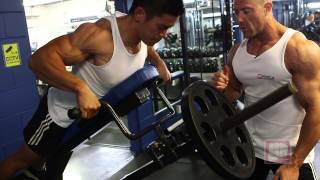
Wide Grip T-Bar Row
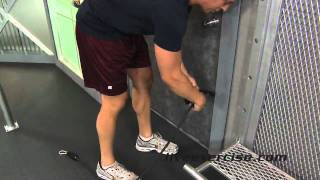
Incline Chest Press with Resistance Bands
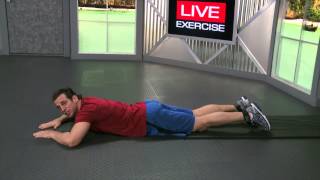
Lying Hamstrings Curl with Resistance Bands
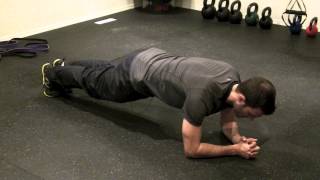
Dynamic Plank
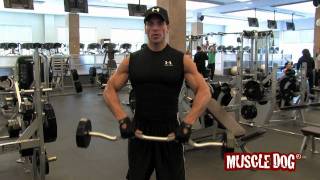
EZ-Bar Upright Row
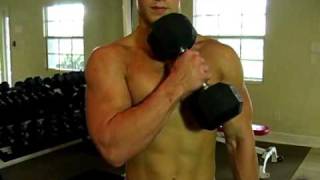
Cross Body Hammer Curl
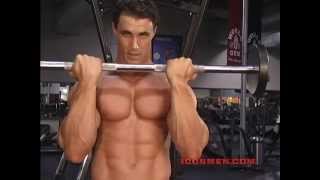
Guillotine Curl
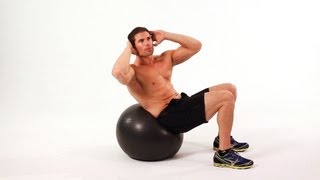
Swiss Ball Oblique Crunch
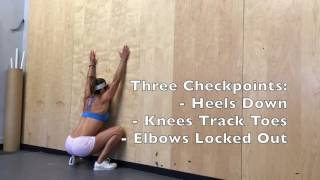
Wall Squat
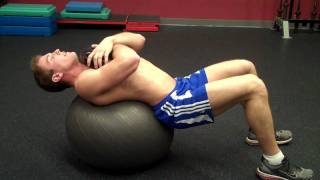
Ball Crunches With Weight
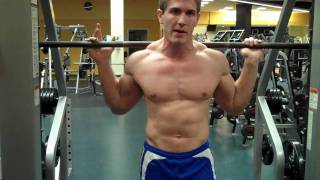
Smith Machine Hack Squat
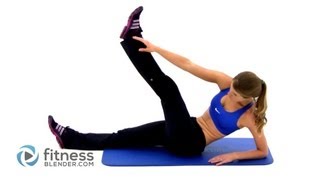
Reclined Oblique Twist
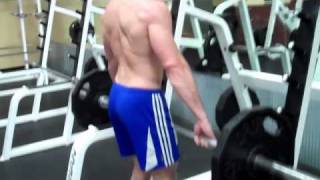
Wide Grip Barbell Shrug
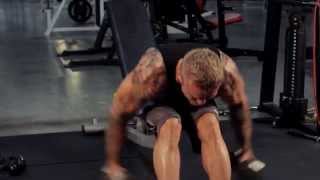
Rear Delt Seated Fly
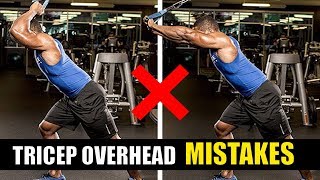
Triceps Overhead Cable Extension
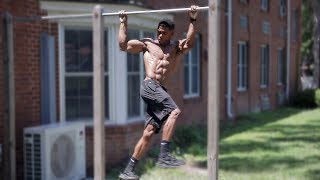
Airwalk Pull-Up
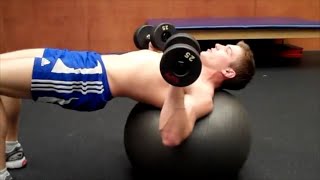
Swiss Ball Dumbbell Chest Press
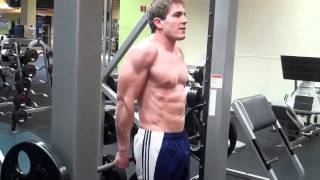
Smith Machine Reverse Shrug
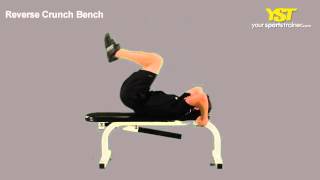
Bench Reverse Crunch
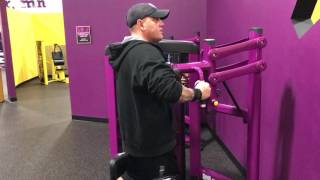
Torso Rotation Machine
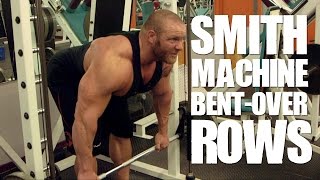
Smith Machine Bent-over Row
Welcome to the Exercise Library
This comprehensive exercise database contains hundreds of strength training exercises organized by muscle group, equipment type, and difficulty level. Whether you're a beginner learning basic movement patterns or an advanced athlete seeking specialized training variations, you'll find detailed exercise guides with step-by-step instructions and video demonstrations for every movement.
Browse Exercises by Category
Muscle Groups
Train specific muscle groups to build targeted strength and muscle development. Choose from major muscle groups including back, chest, shoulders, arms, legs, and core.
- Upper body: Back, chest, shoulders, arms (biceps, triceps, forearms)
- Lower body: Quadriceps, hamstrings, glutes, calves, obliques
- Core: Abdominals, obliques, lower back stabilizers
Equipment Type
Find exercises using specific equipment or training with no equipment at all. Different equipment provides unique benefits and movement variations.
- Barbells: Heavy loading, maximal strength development
- Dumbbells: Balanced development, greater range of motion
- Cables: Constant tension, unique movement variations
- Kettlebells: Explosive power, ballistic training
- Machines: Guided movements, safety and consistency
- Bodyweight: No equipment required, accessible anywhere
- Specialized equipment: Plates, benches, sliders, and more
Difficulty Level
Find exercises appropriate for your experience level. Exercises are categorized from beginner to expert, helping you progress safely as you develop strength and skill.
- Beginner: Fundamental movements, lighter loads, simple variations
- Intermediate: Specialized variations, higher loads, greater exercise variety
- Expert: Advanced variations, maximal effort, specialized training approaches
How to Use This Library
By muscle group: If you want to train a specific muscle, browse that muscle group to see all available exercises.
By equipment: If you have specific equipment available, browse that equipment type to see all possible exercises.
By difficulty: Start with beginner variations to master movement patterns, then progress to intermediate and expert variations as you develop strength and skill.
Building Your Training Program
A complete training program should include:
- Compound movements: Multi-joint exercises using heavy loads (3-4 per session)
- Accessory movements: Single-joint exercises building weak points (2-3 per session)
- Variety: Different equipment and exercise variations preventing accommodation
- Balance: Train all muscle groups and movement patterns for complete development
Starting Your Training
If you're new to strength training, start with beginner exercises focusing on fundamental movements. Master proper form with lighter loads before progressing to heavier weight or more complex variations. Train consistently 3-4 times per week, allowing adequate rest between sessions.
If you're an experienced lifter, explore advanced variations and specialized training approaches. Consider training frequency, exercise selection, and periodization aligned with your specific goals.
Browse our library using the filters above, watch video demonstrations, and follow step-by-step instructions for each exercise. Every exercise includes detailed guidance on proper form, muscle targets, equipment needs, and progression strategies.
One piece of gear worth settling early: how you record all of this. A notebook works, and so does a wearable, but the categories differ more than the marketing suggests. Ourgym wearables comparisoncovers what each type actually captures during strength work, including where wrist sensors stop being trustworthy.