Shoulder Exercises for Strength & Athletic Performance
Browse 242 shoulder exercises with video demonstrations, the muscles each movement works and step-by-step instructions for every level.
No exercises match your search.
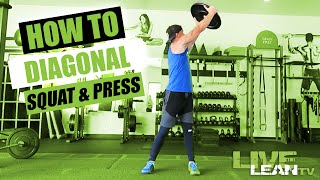
Diagonal Squat and Press
Dual Cable Crossover Lateral Raise
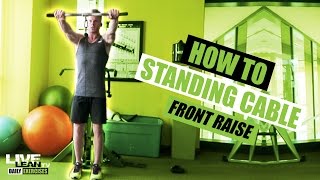
Standing Cable Front Raise
Lying Cable Upright Row Wide Overhand Grip
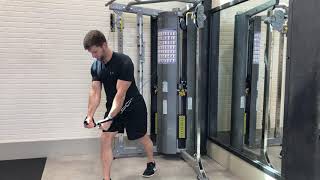
Cable Bent Over Chest Fly

Obliques Side Elbow Plank Crunch
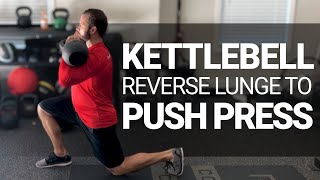
Kettlebell Reverse Lunge to Push Press

Isometric Bent Over Rear Delt Raise
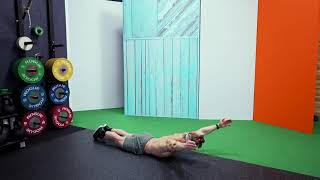
Prone Y Raise Hold
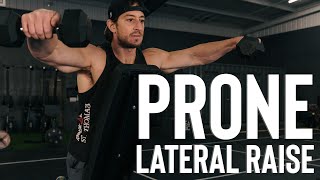
PRONE LATERAL RAise
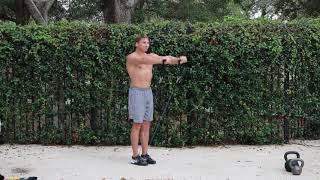
Resistance Band Front Raise
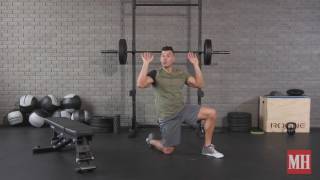
Elevated Prayer Stretch
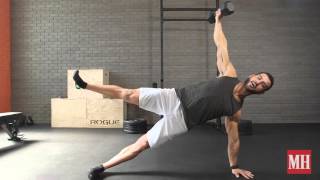
Gladiator Get Up
Incline Bench Press With Resistance Band
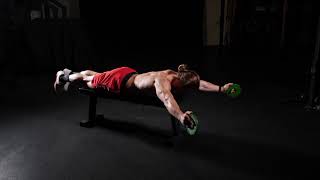
Prone Y on Bench
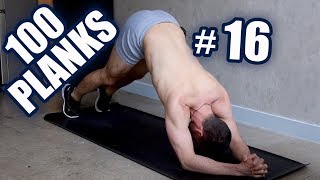
Pike Plank Exercise: Build Core Strength
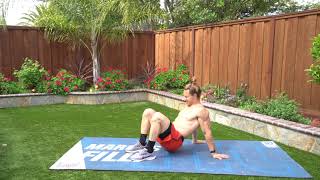
Reverse Plank Bridge Hip Lift
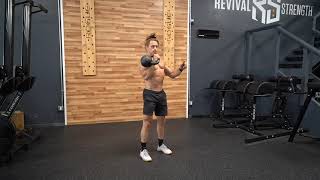
Single Arm Kettlebell Hang clean and press

Supine Kettlebell Horn Tricep Extension

Single Arm Kettlebell Rack High Knee March
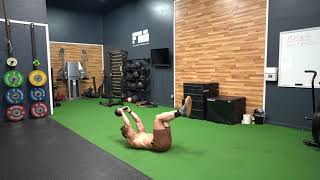
Kettlebell Horn 90/90 Tricep Extension
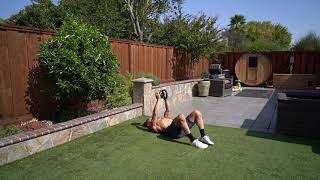
Kettlebell Crush Grip Floor Press
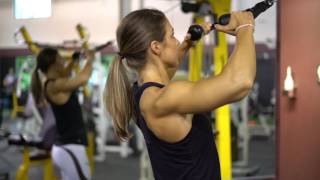
Cable High Face Pull

Kettlebell Crush Grip Press
Shoulder Muscles Overview
The shoulder is one of the most complex and mobile joints in the human body, consisting of multiple muscle groups working together to produce movement in all directions. The primary muscles targeted in shoulder training are:
- Deltoids- divided into anterior (front), lateral (side), and posterior (rear) heads. Each head creates different movement patterns: the anterior delts assist with pressing, lateral delts perform abduction, and rear delts help with pulling and external rotation.
- Rotator cuff- a group of four muscles (supraspinatus, infraspinatus, teres minor, and subscapularis) that stabilize the shoulder joint and prevent impingement injuries.
- Trapezius- extends from the neck down the spine and assists with shoulder elevation and scapular movement, contributing to pressing strength and posture.
Why Shoulder Training Matters
Strong, well-developed shoulders are foundational for athletic performance and injury prevention. Shoulder exercises improve your pressing strength in bench press and overhead press, and enhance your ability to pull and rotate your arms through space. Training all three deltoid heads creates balanced, proportional shoulder development that looks impressive and functions well in sports and daily activities.
Perhaps most importantly, shoulder training strengthens the rotator cuff and surrounding stabilizer muscles, which dramatically reduces the risk of impingement, tears, and chronic pain. Many people experience shoulder pain not from direct shoulder training, but from imbalances created by neglecting the posterior chain and rotator cuff.
Exercise Categories
Shoulder exercises fall into four main movement patterns:
Pressing movements drive a load overhead or at an angle away from the body. Military press, dumbbell shoulder press, machine press, and plate-loaded press variations all emphasize the anterior and lateral deltoids while building pressing strength.
Lateral raise variations isolate the side delts through abduction. Standing lateral raises, cable lateral raises, and machine variations build shoulder width and the "rounded" appearance of the shoulders.
Rowing and face pull variations emphasize the rear delts and rotator cuff. Bent-over dumbbell raises, cable reverse flies, and face pulls are critical for shoulder health and balancing excessive pressing volume.
Rotator cuff exercises like external rotation, internal rotation, and band pull-aparts specifically target the stabilizer muscles. These movements are often overlooked but are essential for injury prevention, especially for overhead athletes.
Training Tips
Mind-muscle connection: The shoulders are used in nearly every upper body movement, so it's easy to let other muscles take over. Isolate the shoulder by consciously depressing the scapula and initiating movement from the shoulder joint itself.
Full range of motion: Especially for presses, lower the weight with control to a position where the upper arm is roughly parallel to the ground. Shortening the range of motion to lift heavier weight reduces stimulus and increases injury risk.
Balance all three deltoid heads: Many lifters overemphasize pressing and neglect lateral and rear delts. Including lateral raises and face pulls ensures balanced development and shoulder health.
Frequency: Because the rotator cuff recovers quickly, shoulders respond well to being trained 3+ times per week across different movements and intensity levels.
Key Shoulder Exercises to Try
Use the filter above to browse the full library. Some starting points worth exploring include standing military press, dumbbell shoulder press, lateral raises, cable lateral raises, face pulls, bent-over dumbbell raises, external rotations, and machine shoulder press.
To see where lateral raises and pressing fit in a balanced week, the upper-body days in our4-day workout plan for weight lossclose with direct lateral raise volume.