The Suitcase Deadlift: A Comprehensive Guide for Building Strength and Stability
Are you looking for a functional exercise that targets your lower body and core muscles? Look no further than the suitcase deadlift. This compound movement is highly effective for building strength, stability, and power. In this article, we will delve into the specifics of the suitcase deadlift, including proper form, variations, and benefits. So, grab your suitcase and let's get started!
What is the Suitcase Deadlift?
The suitcase deadlift is a variation of the traditional deadlift exercise that specifically targets the muscles of your lower body and core. As the name suggests, it mimics the action of picking up a suitcase from the floor. This movement pattern engages multiple muscle groups simultaneously, making it a highly functional exercise that translates well into real-life activities.
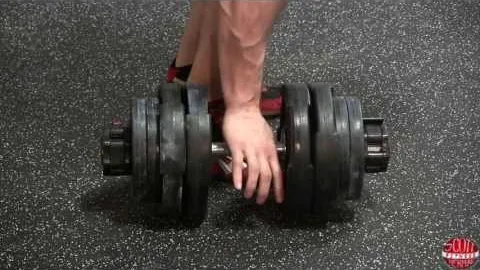
To perform the suitcase deadlift, start by standing with your feet shoulder-width apart, your suitcase beside you. Hinge at the hips and bend your knees slightly to reach down and grasp the handle of the suitcase with one hand. Engage your core, keep your back straight, and lift the suitcase by driving through your heels and extending your hips and knees. Return to the starting position by reversing the movement and lowering the suitcase back to the ground. Repeat for the desired number of repetitions.
Proper Form and Technique
Maintaining proper form and technique is crucial to get the most out of your suitcase deadlifts and minimize the risk of injury. Here are step-by-step instructions on how to perform this exercise correctly:
- Stand with your feet shoulder-width apart, toes pointed slightly outward.
- Place the suitcase beside you, ensuring that the handle is within easy reach.
- Hinge at the hips and bend your knees slightly, keeping your back straight.
- Grasp the handle of the suitcase with one hand, palm facing your body and fingers wrapped firmly around the handle.
- Engage your core and brace your abs, maintaining a neutral spine throughout the movement.
- Drive through your heels and extend your hips and knees simultaneously, lifting the suitcase off the ground.
- Keep your chest up and gaze forward, avoiding any rounding or excessive arching of your back.
- Pause for a brief moment at the top, squeezing your glutes and maintaining a good posture.
- Lower the suitcase back to the ground by reversing the movement, pushing your hips back and bending your knees.
- Repeat for the desired number of repetitions, alternating sides if necessary.
Important Tips for Success
To maximize the effectiveness of your suitcase deadlifts, keep the following tips in mind:
- Start with a suitable weight: Choose a suitcase or weight that challenges you but allows you to maintain proper form throughout the movement. Gradually increase the weight as you become stronger and more comfortable.
- Engage your core: The suitcase deadlift is an excellent exercise for strengthening your core muscles. Make sure to engage your abs and maintain a neutral spine throughout the movement to protect your lower back and optimize your performance.
- Focus on good posture: Keeping your chest up and your gaze forward ensures a proper alignment of your spine and reduces the risk of straining your back. Avoid rounding or excessive arching of your back, as this could lead to injuries over time.
- Control the movement: Lower the suitcase back to the ground under control, resisting the urge to let it drop. This eccentric phase of the exercise is just as important as the lifting phase, as it helps build strength and stability.
- Breathe properly: Inhale as you lower the suitcase towards the ground, and exhale forcefully as you lift it up. This breathing technique helps stabilize your core and maintain intra-abdominal pressure, enhancing your overall performance.
Variations of the Suitcase Deadlift
Once you have mastered the basic suitcase deadlift, you can progress to more challenging variations. Here are a few options to add diversity to your training routine:
- Single-leg suitcase deadlift: Perform the suitcase deadlift with one leg lifted off the ground. This variation increases the demand on your core and balance, further enhancing stability and strength.
- Suitcase squat deadlift: Incorporate a squat into the movement by lowering your hips down as you lift the suitcase. This variation targets your glutes and quadriceps muscles more intensely.
- Sumo suitcase deadlift: Stand with your feet wider than shoulder-width apart and your toes turned out. This stance resembles that of a sumo wrestler, and it emphasizes the muscles of your inner thighs and glutes.
- Suitcase carry: Instead of lifting and lowering the suitcase, walk while holding it by your side. This variation engages your grip strength, core stability, and overall endurance.
Benefits of the Suitcase Deadlift
The suitcase deadlift offers a multitude of benefits for those looking to improve their overall strength and stability. Here are some key advantages of incorporating this exercise into your training routine:
- Builds lower body strength: The suitcase deadlift primarily targets the muscles of your lower body, including your glutes, hamstrings, quadriceps, and calves. It strengthens these muscles, allowing you to perform everyday activities with greater ease and efficiency.
- Enhances core stability: Due to the unilateral nature of the suitcase deadlift, it requires significant core activation to maintain balance and control. Regularly performing this exercise can improve your core stability and help prevent lower back pain and injuries.
- Increases grip strength: As you lift and hold the weight with one hand, the suitcase deadlift challenges your grip strength. A strong grip is essential in many sports and everyday activities, making this exercise highly functional.
- Improves posture and spinal alignment: By promoting good posture and spinal alignment, the suitcase deadlift can help correct muscle imbalances and reduce the risk of developing postural problems. It strengthens the muscles that support the spine, enhancing overall posture and stability.
- Functional transferability: The suitcase deadlift closely mimics real-life movements, such as picking up heavy objects from the floor. By training this exercise, you improve your ability to handle everyday situations with ease and efficiency.
- Time-efficient exercise: The suitcase deadlift is a compound exercise that works multiple muscle groups simultaneously. Incorporating it into your routine helps save time while providing maximum benefits for your body.
Final Thoughts
The suitcase deadlift is a highly effective exercise for building lower body strength, core stability, and grip strength. By mastering the proper form and gradually progressing in difficulty, you can reap the numerous benefits this exercise offers. Whether you are an athlete looking to enhance performance or someone wanting to improve functional strength, the suitcase deadlift is a valuable addition to any training routine. So, pick up that suitcase and start reaping the rewards of this powerful exercise!