Biceps Exercises
Browse biceps exercises with video guides and step-by-step instructions.
No exercises match your search.


Biceps Muscles Overview
The biceps brachii is a two-headed muscle on the front of the upper arm that is responsible for flexing the elbow and rotating the forearm outward (supination). Despite being one of the most aesthetically appealing muscles, the biceps are relatively small—making up only about one-third of arm mass compared to the triceps. The two primary heads targeted in bicep training are:
- Long head - the outer portion of the biceps, which is stretched when the arms are extended overhead or behind the body. Training the long head with movements like incline curls emphasizes the "peak" of the bicep.
- Short head - the inner portion, stretched with the arms held wide. Movements like close-grip curls emphasize this head, increasing overall width and thickness.
Why Bicep Training Matters
While biceps receive a lot of attention for their aesthetic appeal, they're also functionally important for pulling strength. Strong biceps improve your performance in pull-ups, chin-ups, rows, and other pulling movements where the biceps assist as secondary movers. Well-developed biceps indicate overall upper body pulling strength and contribute to the V-taper physique.
Bicep training also prevents imbalances created by heavy pressing volume. If you spend significant time benching and pressing, isolated bicep training helps balance your arm development and shoulder health. Additionally, the biceps are an excellent "pump" muscle—they respond quickly to training and provide visual feedback during and immediately after workouts.
Exercise Categories
Bicep exercises fall into two main movement patterns:
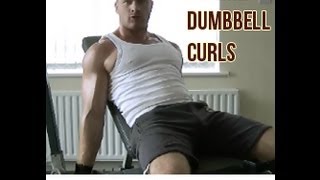
Barbell, dumbbell, and cable curls move a load from the hips or side of the body upward by flexing the elbow. Barbell curls, EZ-bar curls, dumbbell curls, cable curls, and hammer curls all train the biceps, with subtle differences in range of motion and loading angle.
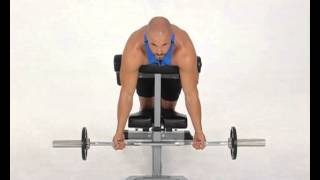
Specialized positions and angles emphasize different portions of the biceps. Incline dumbbell curls emphasize the long head, close-grip curls emphasize the short head, and preacher curls eliminate momentum by fixing the elbows against a pad, forcing pure elbow flexion.
Compound pulling movements like pull-ups, chin-ups, and rows heavily involve the biceps as secondary movers and contribute significantly to bicep development, especially the long head.
Training Tips
Maximize the stretch and squeeze: Bicep exercises excel at providing constant tension. Extend the elbow fully at the bottom of each rep to feel the stretch, then squeeze hard at the top to maximize the contraction and muscle engagement.
Control the weight: Avoid using momentum or cheat reps. Even if you can swing a heavier weight, using lighter weight with strict form provides more stimulus and reduces injury risk.
Vary your grip: Different grip widths and positions (palms up, palms down, neutral) emphasize different portions of the biceps and surrounding forearm muscles. Regularly varying your grip prevents plateaus and ensures balanced development.
Training frequency: Biceps recover quickly and respond well to frequent training. Including bicep work 3-4 times per week across different movements drives consistent growth.
Key Bicep Exercises to Try
Use the filter above to browse the full library. Some starting points worth exploring include barbell curls, EZ-bar curls, dumbbell curls, hammer curls, incline dumbbell curls, cable curls, preacher curls, and close-grip curls.