Cable Machine Exercises
Browse cable machine exercises with video guides and step-by-step instructions.
No exercises match your search.
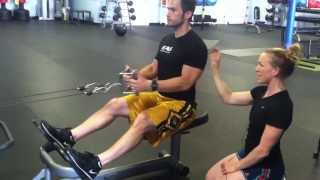
Seated Cable Row Workout
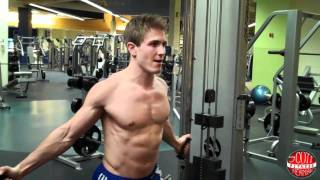
Low Cable Chest Fly Workout

Standing Incline Cable Chest Fly
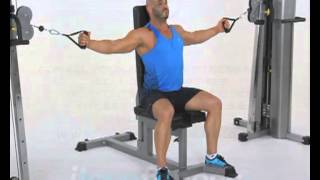
Seated Cable Chest Fly
Cable Woodchopper Oblique Twist
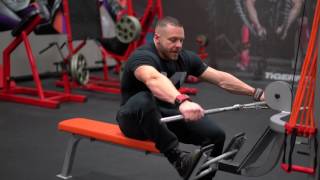
Wide Grip Seated Cable Low Row
Why Train on Cable Machines?
Cable machines like leg press, chest press, and hammer strength machines provide safety and consistency that free weights cannot match. Because the movement path is guided by the machine, you can focus entirely on moving weight without needing to worry about stability or balance. This allows for heavier weights and higher intensity, particularly beneficial when training alone.
Cable machines also provide predictable resistance curves and are forgiving if you cannot complete a rep—simply stop moving and the weight stops. Many cable machines also allow for unilateral training, where one side of your body works independently, which is valuable for correcting imbalances.
Main Cable Machine Movement Patterns
Pressing machines like chest press machines and leg press machines train major compound movements with guided movement paths. These machines are excellent for strength development and high-intensity work.
Leg machines including leg press, leg extension, and leg curl provide lower body training without free weight complexity. These machines allow isolation of specific muscles and are safe for heavy training.
Rowing machines and lat pulldown machines train the back muscles with guided movement. These machines provide consistent resistance and are excellent for muscle-building work.
Shoulder and arm machines provide isolation work with guided movement paths. Hammer strength machines for shoulders and arms are excellent for high-intensity training.
Training Tips on Cable Machines
Control the weight through the full range of motion: Because the machine guides the movement, focus on moving deliberately through the full range. Avoid using momentum even though the path is guided.
Use higher rep ranges: Cable machines excel with higher rep ranges (8-15+ reps). The consistent resistance curve makes them less suitable for extremely heavy, low-rep work.
Adjust the seat and grip positions: Most cable machines allow seat height adjustment. Find positions that feel natural and allow a full range of motion without pain.
Combine with free weight training: Cable machines should complement free weight training, not replace it. Use cable machines as accessory work following compound barbell or dumbbell exercises.
Getting Started with Cable Machines
Start with basic pressing and pulling movements using weight appropriate for 10-12 reps. Master the movement path and range of motion before progressing to heavier weights. Include cable machine work 2-3 times per week as accessory training following compound movements.