Dumbbell Exercises for Strength & Muscle Building
Browse dumbbell exercises with video guides and step-by-step instructions.
No exercises match your search.
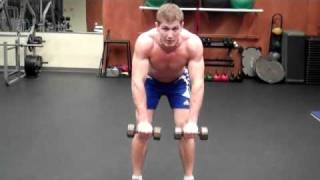
Rear Lateral Raise Workout
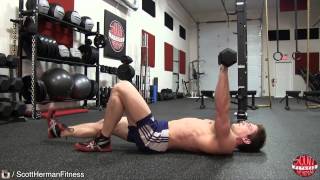
Dumbbell Toe-Touch Crunch
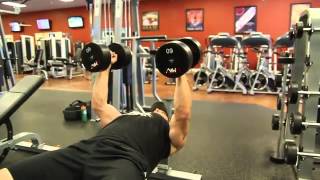
Close Grip Dumbbell Press: Bench Press Variation for Chest & Triceps
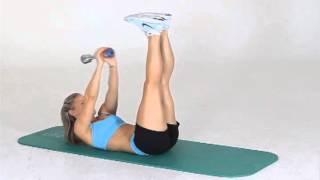
Dumbbell Oblique Pullover Crunch Legs Raised

Dumbbell Skull Crusher (Standing): Triceps Isolation Guide
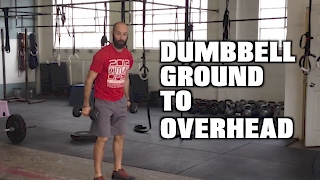
Master Dumbbell Ground to Overhead: Complete Exercise Guide
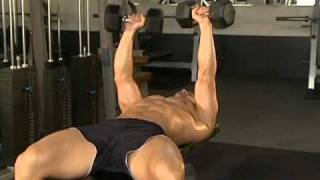
Dumbbell Piston Press

Dumbbell Split Squat (Overhead Bulgarian): Leg & Core Exercise
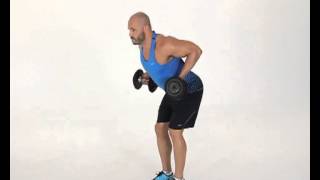
Standing Underhand Grip Bent Over Dumbbell Row
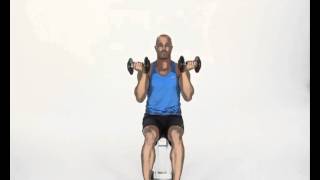
Seated Dumbbell Shoulder Press Underhand Grip
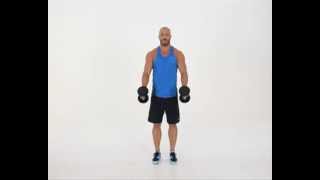
Standing Dumbbell Front Raise Neutral Grip
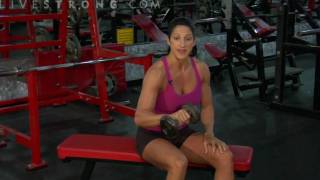
Dumbbell Reverse Wrist Curl
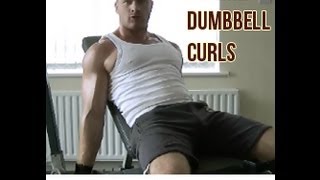
Incline Dumbbell Curl: Ultimate Guide for Muscle Building & Technique
Why Train with Dumbbells?
Dumbbells offer freedom and versatility that barbells cannot match. Because each arm holds an independent weight, dumbbells force each side of your body to work independently, correcting muscle imbalances and improving stability. Dumbbells also allow for a greater range of motion than barbells in many movements, providing a deeper stretch and stronger contraction.
Dumbbells are highly forgiving—if you can't complete a rep, you can simply set the weights down. This makes dumbbells safer for those training alone and allows for higher-intensity training that would be risky with a barbell. Additionally, dumbbells provide excellent variety, as small adjustments in angle and hand position dramatically change which muscles are emphasized.
Main Dumbbell Movement Patterns
Pressing movements like dumbbell bench press, dumbbell shoulder press, and dumbbell floor press develop strength and muscle across the chest, shoulders, and triceps. Because each arm moves independently, dumbbell pressing requires greater stability and core engagement than barbell pressing.
Rowing movements like single-arm dumbbell rows and double-arm rows train the back muscles with excellent range of motion. Dumbbell rows allow for a deeper range of motion and more stretch than barbell rows.
Fly movements like dumbbell flies and incline flies isolate the chest and shoulders. The arc of movement in dumbbell flies creates constant tension across the chest unlike barbells.
Isolation exercises like dumbbell curls, dumbbell lateral raises, and dumbbell extensions isolate individual muscles. Dumbbells excel at isolation work due to their ease of use and the natural range of motion they allow.
Training Tips with Dumbbells
Control the weight through the full range of motion: Dumbbells reward controlled, deliberate movements. Avoid using momentum—lighter weight with strict form produces better results than heavy weight with poor form.
Balance both sides equally: Train both sides with identical weight and reps. Correcting muscle imbalances should be a priority when training with dumbbells.
Take advantage of the range of motion: Go deeper in the stretch portion of movements. Dumbbells allow for movement paths that barbells don't permit, and you should take advantage.
Use variable weights across sets: Unlike barbells, you can easily change dumbbell weight between sets. Using slightly different weights across sets can help correct imbalances and add variety.
Getting Started with Dumbbells
Start with basic pressing and rowing movements using weights appropriate for 8-12 reps with good form. Master stability and control before progressing to heavier weights. Include dumbbell exercises 2-4 times per week across various movement patterns for complete development.