Intermediate Exercises
Browse intermediate exercises with video guides and step-by-step instructions.
No exercises match your search.
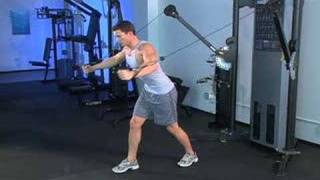
Standing Cable Chest Fly
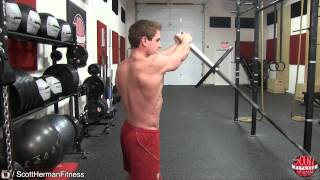
Landmine Oblique Twist

Barbell Drag Curl: Biceps Exercise for Peak & Short Head
Rear Lateral Raise Workout
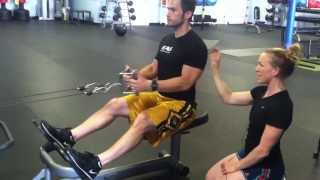
Seated Cable Row Workout

High Cable Chest Fly
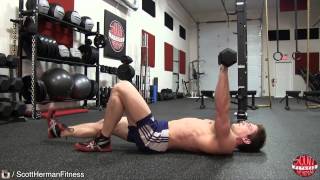
Dumbbell Toe-Touch Crunch
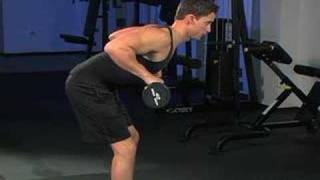
Barbell Rear Delt Row
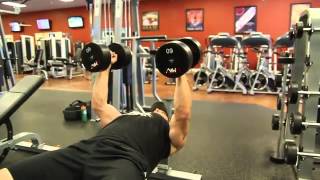
Close Grip Dumbbell Press: Bench Press Variation for Chest & Triceps

Low Cable Chest Fly Workout
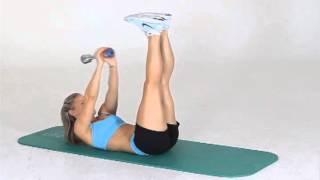
Dumbbell Oblique Pullover Crunch Legs Raised
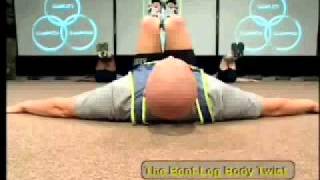
Bent-leg Body Twist Workout
Double Crunch Crossover
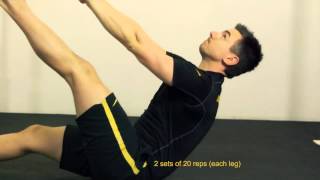
Single Leg Jackknife Crunch

Underhand Barbell Row: Bent Over Row with Supinated Grip

Standing Incline Cable Chest Fly
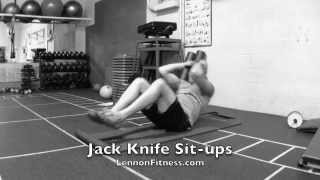
Jack Knife sit-up Workout
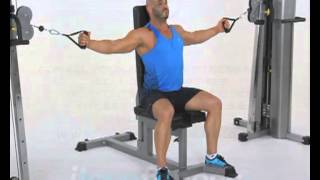
Seated Cable Chest Fly
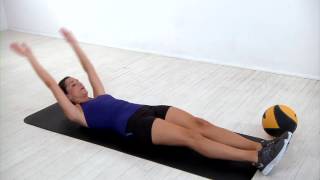
Alternating V-up Workout

Cable Woodchopper Oblique Twist
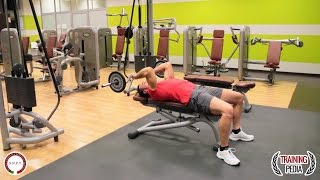
French Press Exercise: Triceps Extension Technique & Guide
Master Dumbbell Ground to Overhead: Complete Exercise Guide

Half Kneeling Filly Press

Dumbbell Piston Press
Building on Your Foundation
Intermediate exercises assume you've mastered basic movement patterns and have developed adequate strength to handle more complex variations. At the intermediate level, your focus shifts from learning fundamental movements to specializing in particular areas, adding exercise variety, and pursuing specific strength or muscle-building goals.
Intermediate training allows for greater exercise selection, more sophisticated programming strategies, and pursuing specialized goals. You can now handle higher training frequency, greater exercise volume, and more complex movement variations.
Core Intermediate Training Principles
Pursue specialization: By intermediate level, you've identified your interests—whether building strength, muscle mass, athletic performance, or general fitness. Train according to your specific goal rather than general fitness.
Add exercise variation: Include variations of basic movements. If you've mastered barbell bench press, include dumbbell press, incline press, close-grip bench, and other variations to continue progress.
Implement periodization: Vary your rep ranges and training intensity across weeks. Train heavy (3-6 reps) for strength, moderate (6-10 reps) for strength and size, and higher rep (10-15+) for muscle-building and conditioning.
Manage volume and recovery: You can handle higher training volume, but manage it carefully. Track total reps per muscle group and ensure adequate recovery between sessions.
Include accessory movements: Compound movements should form the foundation of your training, but include 2-3 accessory movements per session to address weak points and improve weak areas.
Intermediate Training Split Options
Upper/lower split 4 times per week is highly effective:
- Upper A & B: Train the upper body twice with different movement emphasis
- Lower A & B: Train the lower body twice with different movement emphasis
Push/pull/legs (PPL) 6 times per week works well if you train frequently:
- Push days: Chest, shoulders, triceps pressing
- Pull days: Back and bicep pulling movements
- Leg days: Quadriceps, hamstrings, glutes, lower body work
Body part split 4-5 times per week allows high training frequency per muscle:
- Dedicate one day to each major muscle group with 10+ working sets for that muscle
Progressive Overload Strategies
Progressive loading: Consistently increase weight, reps, or sets across weeks. Aim to add weight when you complete all reps for 2-3 consecutive sessions.
Double progression: Increase reps within a range first, then increase weight. For example, perform 3 sets of 8 reps, then when you reach 3 sets of 10 reps, increase the weight.
Exercise variation: Perform variations you haven't done recently. The variation provides a new stimulus even at lower weights, allowing progress to continue.
Volume increase: Add sets or reps without increasing weight. Higher volume with moderate weight drives muscle growth effectively.
Getting Started as an Intermediate
Identify your primary goal and select a training split aligned with that goal. Include 3-4 compound movements and 2-3 accessory movements per session. Track your performance metrics (weight, reps, sets) and focus on progressive overload in compound movements. Train 4-6 times per week depending on your split selection and recovery capacity.