No Equipment Exercises
Browse no equipment exercises with video guides and step-by-step instructions.
No exercises match your search.
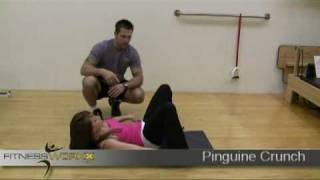
Penguin Crunch Workout
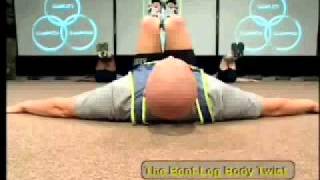
Bent-leg Body Twist Workout
Double Crunch Crossover
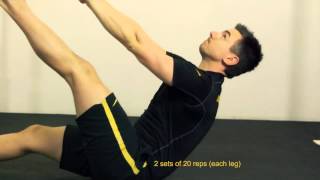
Single Leg Jackknife Crunch
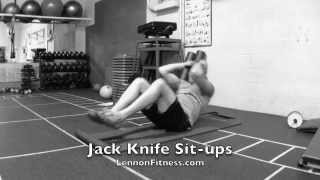
Jack Knife sit-up Workout
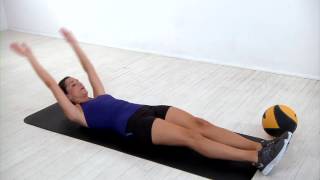
Alternating V-up Workout
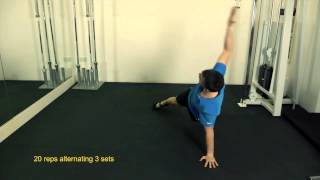
Windmill Push Up Workout
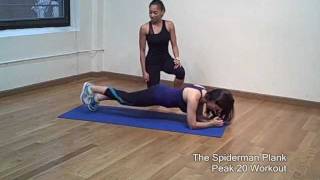
Spiderman Plank Crunch
Why Train with No Equipment?
Bodyweight training is the most accessible form of exercise—it requires no gym membership, no equipment purchase, and can be done anywhere. Bodyweight exercises build functional strength directly applicable to real-world movement. Additionally, bodyweight training teaches body awareness and control, as you must manage your own resistance and stability.
For beginners, bodyweight training is perfect for learning movement patterns safely with lighter loads. For advanced trainees, bodyweight exercises can be progressed infinitely through variations like archer variations, one-legged variants, and holds that create extreme difficulty.
Main Bodyweight Movement Patterns
Push-ups and pressing variations train the chest, shoulders, and triceps. From basic push-ups to pseudo planche presses, pushing variations range from beginner to elite difficulty.
Pull-ups and chin-ups train the back and biceps. These compound pulling movements require no equipment except a pull-up bar and develop serious back strength and pulling power.
Squats and leg movements train the lower body. From basic bodyweight squats to pistol squats, leg variations offer progression for any strength level.
Core exercises like planks, hollow body holds, and hanging leg raises train the abdominals and core. These movements build serious core strength and stability.
Handstand and inversion movements develop shoulder strength, balance, and body control. These advanced movements require practice but offer incredible benefits.
Training Tips for Bodyweight Exercise
Progress through variations, not speed: Instead of doing more reps, progress to harder variations. Single-leg push-ups and archer push-ups are harder than standard push-ups but allow continued strength development.
Control the tempo: With no external resistance, control your speed to increase time under tension. A 2-3 second eccentric (lowering phase) dramatically increases stimulus.
Focus on full range of motion: Many people use partial range of motion for more reps. Full range of motion creates better results and reduces injury risk.
Combine multiple patterns: Train pushing, pulling, and lower body movements across your weekly training. This ensures balanced development and prevents imbalances.
Getting Started with Bodyweight Training
Start with basic push-ups, squats, and either assisted pull-ups (using a band) or inverted rows. Learn proper movement patterns and control before progressing. Train bodyweight movements 3-4 times per week, rotating between pushing, pulling, and lower body patterns.