Bench Exercises for Pressing Strength & Muscle Gains
Browse bench exercises with video guides and step-by-step instructions.
No exercises match your search.
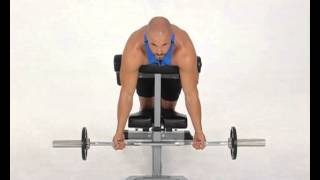
EZ Bar Spider Curl Workout
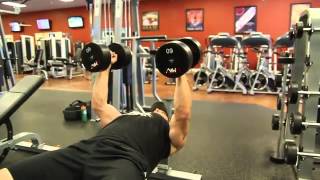
Close Grip Dumbbell Press: Bench Press Variation for Chest & Triceps
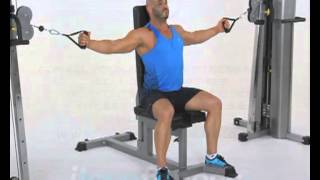
Seated Cable Chest Fly
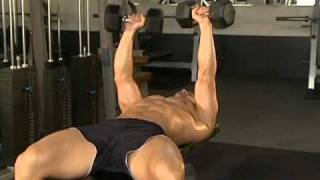
Dumbbell Piston Press
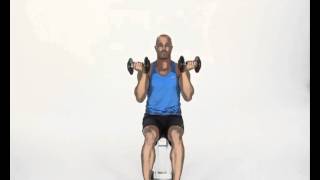
Seated Dumbbell Shoulder Press Underhand Grip
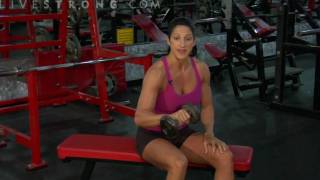
Dumbbell Reverse Wrist Curl
Incline Dumbbell Curl: Ultimate Guide for Muscle Building & Technique
Why Train on a Bench?
Benches provide a stable platform for pressing, pulling, and isolation movements. Training on a bench allows you to use heavier weight safely because your back is supported, and it enables movements like dumbbell presses and floor presses that would be impossible on other surfaces. Different bench angles—flat, incline, and decline—allow you to emphasize different portions of the chest and shoulders.
Benches also enable unilateral and stability-demanding movements. Because your torso is supported, you can focus entirely on the working muscles without using core strength to maintain position, allowing heavier loads and higher reps in isolation movements.
Main Bench Movement Patterns
Flat bench pressing with dumbbells or a barbell trains the mid-chest heavily. Flat bench pressing is the primary movement for overall chest development and pressing strength.
Incline bench pressing emphasizes the upper chest and front shoulders. Incline pressing is essential for complete chest development and creates shoulder definition.
Decline bench pressing emphasizes the lower chest and triceps. Decline pressing is less commonly used than flat and incline but valuable for complete chest development.
Dumbbell flies and pullovers isolate the chest with a stretched position. Bench-supported fly variations maintain the stretch throughout the movement, intensifying stimulus.
Sitting movements like seated shoulder press and seated rows use a bench for back support. Seated variations reduce lower back strain while training the upper body.
Training Tips on Bench
Maintain a strong base: Keep your feet flat on the floor (or bench for decline work) to create stability and power transfer. A strong foundation allows heavier pressing.
Achieve full range of motion: Lower the weight to your chest on pressing movements—partial reps reduce stimulus significantly. A full range of motion is especially important for dumbbell pressing.
Vary the angle: Use flat, incline, and decline bench positions across different sessions. Angle variation ensures complete muscle development and prevents accommodation.
Use assistance spotters on heavy attempts: Heavy barbell pressing on a bench requires spotters. Never train alone on maximal attempts with barbells.
Getting Started with a Bench
Start with dumbbell presses on a flat bench using weight appropriate for 8-12 reps. Master stability and control before progressing to heavier weight. Include bench pressing 2-3 times per week across different angles for complete development.