Core Exercises
Browse core exercises with video guides and step-by-step instructions. Target your rectus abdominis, obliques, and stabilizer muscles with beginner to advanced movements.
No exercises match your search.
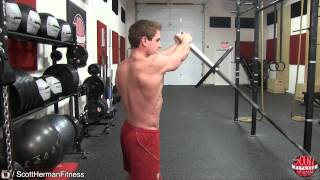
Landmine Oblique Twist
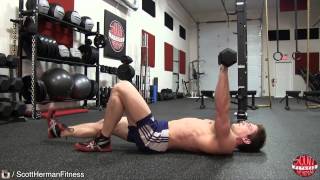
Dumbbell Toe-Touch Crunch
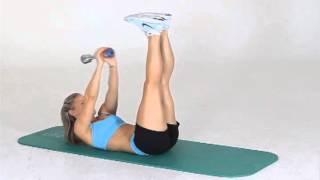
Dumbbell Oblique Pullover Crunch Legs Raised
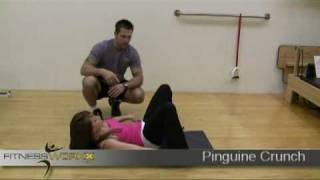
Penguin Crunch Workout
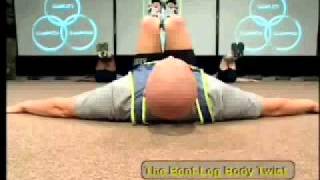
Bent-leg Body Twist Workout
Double Crunch Crossover
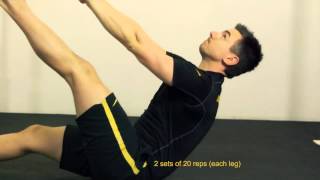
Single Leg Jackknife Crunch
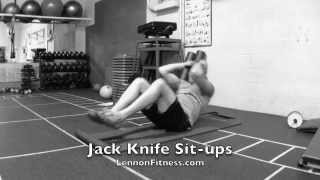
Jack Knife sit-up Workout
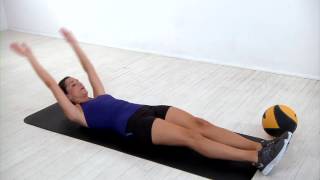
Alternating V-up Workout

Cable Woodchopper Oblique Twist

Oblique Twist "Wood Chopper" (LF Cable)
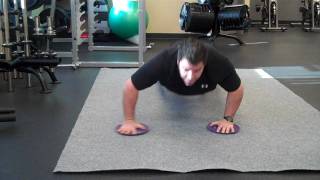
Sliding Disc Push Away
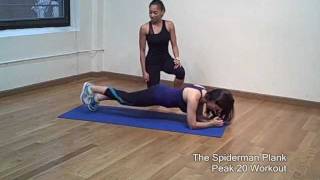
Spiderman Plank Crunch
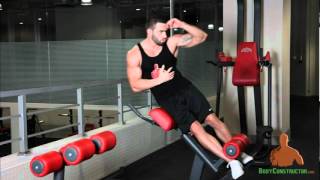
Side Bends At Hyperextension
Core Exercises for Building Ab Strength and Stability
Core exercises target the rectus abdominis, transverse abdominis, and oblique muscles. A strong core improves posture, reduces lower back pain, and boosts athletic performance across all sports and activities.
Why Core Training Matters
A strong core provides the foundation for every movement you perform. Whether you're lifting weights, running, throwing, or simply maintaining posture throughout the day, your core muscles stabilize your spine and transfer force between your upper and lower body.
Core training also prevents injury by supporting proper spinal alignment during heavy lifting and dynamic movements. Athletes with strong cores show improved performance in compound exercises like squats and deadlifts.
How to Choose Core Exercises
Beginners should start with bodyweight movements like the Penguin Crunch and Alternating V-Up. These teach proper core engagement without requiring complex equipment.
Intermediate and advanced lifters can progress to cable and landmine rotational exercises for greater resistance and enhanced oblique activation. Anti-rotation movements (resisting rotational forces) are particularly effective for building core stability.
Core Training Frequency
Train your core 2-3 times per week as part of your regular workout program. Include both anti-gravity movements (crunches, sit-ups) and anti-rotation movements (Pallof presses, woodchoppers) for balanced development.
Browse the exercises below to explore variations and build a strong, stable core.